Choosing the Right Dune Buggy Safari in Dubai
Picking a dune buggy safari in Dubai is less about finding the flashiest vehicle and more about matching the experience to your comfort level, schedule and expectations. The Dubai desert can be calm and beautiful in one stretch, then rough, hot and disorienting in the next. A good choice depends on how much driving you want to do, how much guidance you need and what kind of day you have in mind.
The process is simple when you break it into decisions. Start with the kind of outing you want, then look closely at the buggy, the route, the safety setup and the small print before you commit. A little care at each stage helps avoid a day that feels rushed, uncomfortable or mismatched to your abilities.
Decide what kind of desert day you want
Begin with the overall experience. Some people want a short burst of off-road driving with plenty of photo stops. Others want a longer route with time in the sand dunes, a break in the desert and perhaps a sunset safari finish. Your ideal pace should shape every later choice.
Think about who is coming. A solo traveller or a couple may enjoy a faster, more focused ride. Families often prefer a calmer pace, clear instructions and fewer hours in the heat. If children or older passengers are joining, comfort and stability matter more than speed. Check whether passengers can ride without being expected to drive, and whether the route includes stops where everyone can stretch, drink water and take in the scenery.
Also decide how much desert wildlife or landscape time matters. Some trips focus mainly on driving, while others leave room for quieter moments among the sand dunes. Neither is wrong, but they suit different expectations. If you want a relaxed outing with broad views, avoid choosing only by engine power.
Match the dune buggy to your experience
Once the style of day is clear, look at the dune buggy itself. The term covers a range of vehicles, from smaller two-seat options to stronger buggies built for more demanding terrain. A beginner does not need the most powerful machine. In fact, too much power can make the ride harder to control if you are still learning how a buggy behaves on sand.
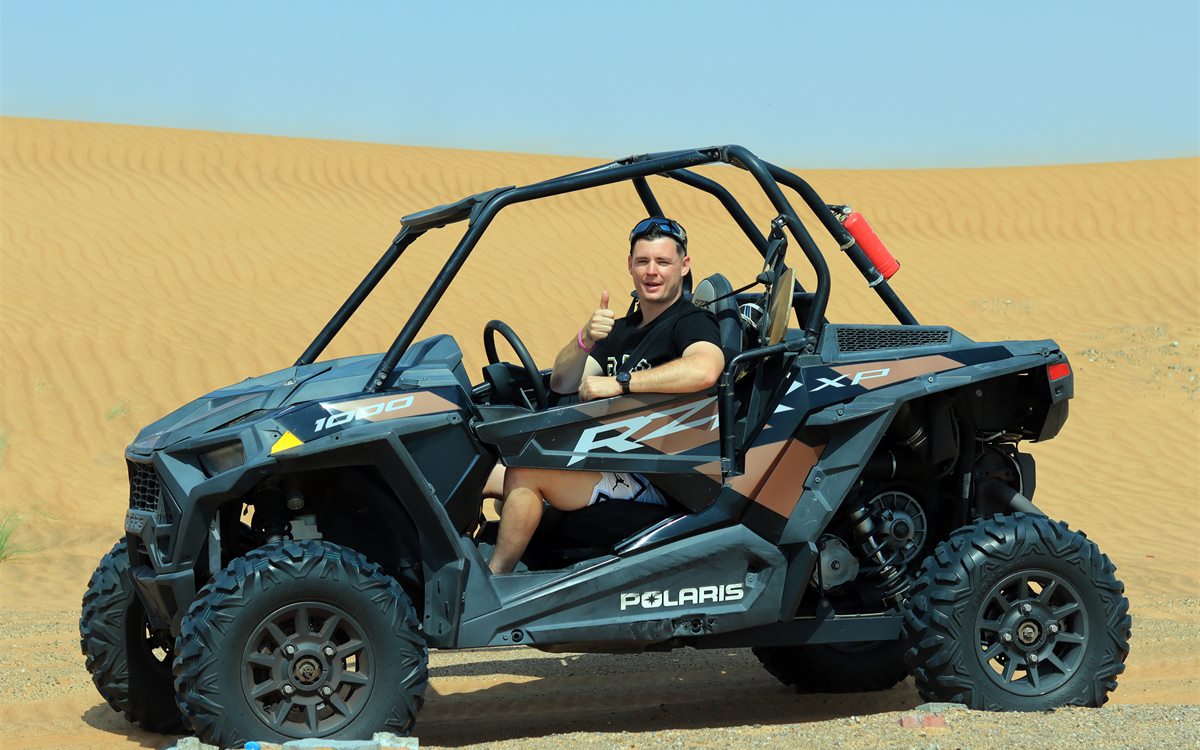
Ask what driving experience is expected. Some routes are suitable for first-timers because they include a briefing and a measured route. Others assume confidence with off-road driving, steering on loose surfaces and reacting to changing slopes. Be honest about your skill level. Sand feels different from tarmac, and the steering can pull unexpectedly when the surface shifts.
Pay attention to seating and space. A buggy that looks fine in a photo may feel cramped once you add safety gear, water and a passenger. Check whether there is enough legroom, whether seats are secure and whether the vehicle has a roll structure. If you are tall, travelling with children, or sharing with someone who needs extra support, this detail can shape the whole day.
When comparing options, aljazeeratours.com can be one place to note while you research, but the same checks apply wherever you look. The aim is not simply to pick a vehicle that looks exciting. The aim is to choose one that fits the driver, the passengers and the route.
Check the route and the level of guidance
The route is one of the most important parts of a dune buggy safari dubai experience. Dubai desert terrain changes quickly. A route that stays on firmer ground may feel smoother and suit new drivers. A route with steep dunes, sharp turns and soft sand demands more skill and a more careful pace.
Find out whether the trip is a guided tour or an independent drive. For most visitors, a guided tour is the better choice. A guide can set a sensible pace, point out safer lines through the dunes and keep the group together. This matters if the route is remote or if the sand conditions change during the day. Riding with others also helps if a vehicle stops or a driver needs help.
Ask how long the driving portion lasts, and whether that time includes stops. A trip advertised by total duration may include pick up, briefing, breaks, photos and meals. That is not a problem, as long as you know what you are getting. If your main interest is driving, look for a clearer description of actual time behind the wheel.
Also ask what happens if conditions are not suitable. Strong wind, heat or recent tracks can affect how the dunes feel. A responsible operator will adjust the plan rather than push through conditions that make driving less controlled. Flexibility is a good sign, especially for families and first-time drivers.
Look closely at safety gear and briefing
Safety should be easy to confirm before you book. At minimum, drivers and passengers should be offered suitable safety gear, including helmets and seat belts where appropriate. The fit matters. A helmet that shifts around, or a strap that cannot be adjusted properly, is not useful in the way it should be. Ask what sizes are available and whether gear is cleaned and checked between uses.
A proper briefing should explain how to start, stop, steer and follow signals. It should also cover what to do if the buggy becomes stuck, if the group separates, or if someone feels unwell. The briefing does not need to be long, but it should be clear enough that every driver knows the basic rules before entering the dunes.
It is wise to ask about first aid and communication arrangements. A guided trip should have a way to respond if a vehicle breaks down or someone needs help. You do not need to turn the day into an inspection, but vague answers are worth noting. Clear, direct answers usually reflect a more organised approach.
Do not try to repair mechanical or electrical problems yourself during a trip. Signs such as odd noises, loss of power, steering trouble or warning lights should be reported to the guide at once. Mechanical work belongs to qualified professionals, not to drivers in the desert.
Understand timing, heat and comfort
Timing can change the feel of the entire safari. Midday heat can be intense, especially inside a vehicle with limited shade. Early morning and late afternoon often feel more comfortable, though availability and local conditions vary. A sunset safari can be memorable, but it may also mean driving near the end of the day when temperatures are dropping and light changes quickly.
Ask what is provided and what you should bring. Water is essential in the desert, and passengers should be encouraged to drink regularly even if they do not feel thirsty. Sunglasses, sun protection and closed shoes are practical choices. Loose scarves or hanging clothing can be awkward around vehicles, so keep attire simple and secure.
Photography breaks are another point to clarify. Many routes include a stop for views across the sand dunes. That is welcome, but it should be done in safe areas away from active driving lines. If the group stops in an open area, follow the guide's instructions about where to stand and when to move back to the vehicles.
Read the terms before you book
Before making a reservation, read the terms carefully. Look for what is included, what is not included and what conditions apply to drivers and passengers. Age rules, driving licence requirements and passenger limits can vary. If anyone in your group is unsure whether they meet the requirements, ask before booking rather than on the day.
Check the cancellation and weather policy in plain terms. Desert plans may change for reasons outside anyone's control. A clear policy helps you understand what to expect. Avoid relying on vague promises or casual assumptions. If something is not written down, ask for clarification.
When comparing providers, keep notes on the route, vehicle type, safety gear, guiding, duration and terms. This makes it easier to judge value without focusing only on the headline offer. A cheaper option may be fine if it still meets your needs. A higher priced option only makes sense if the extra features matter to you.
Researching aljazeeratours.com alongside other sources can help you compare the wording and level of detail available. What matters is whether the information answers your practical questions. If key points are missing, that uncertainty should be part of your decision.
Make the final choice with clear expectations
By this stage, the decision should feel much easier. Choose the option that fits your driving confidence, group size, comfort needs and interest in the desert itself. A dune buggy safari in Dubai works best when the route, vehicle and pace match the people taking part.
On the day, arrive with a realistic mindset. Listen to the briefing, ask questions before the drive begins and follow the guide's signals throughout. Keep water close, protect yourself from the sun and take breaks when offered. If anything feels unclear, raise it early rather than waiting until the buggy is already moving.
A well chosen safari is not about pushing limits. It is about spending time in the Dubai desert with enough preparation to enjoy the drive, the landscape and the company around you. When each decision is made in the right order, the result is a smoother, safer and more satisfying day out among the dunes.